PLMA e-Scanner - April 2021

NEWS ROUNDUP
PLMA Plans in-person Shows in Chicago and Amsterdam

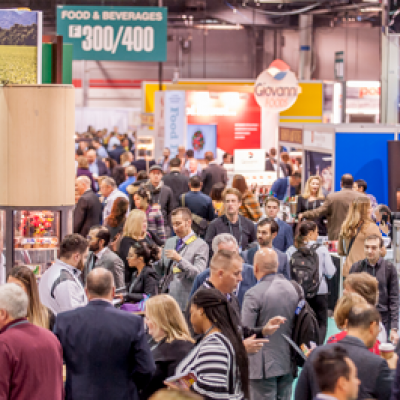
PLMA’s Annual Private Label Trade Show, which will be held Nov. 14 to 16 in Chicago, will be an in-person event. And PLMA’s “World of Private Label” International Show, scheduled for Dec. 14 and 15 at the RAI convention center in Amsterdam, will also be an in-person event.

Government restrictions from the pandemic resulted in both shows going online in 2020. In December of 2020, the International show was held online, while PLMA hosted Private Label Week the first week of February 2021. The U.S. show is still open for business until the end of the month.

Illinois governor J.B. Pritzker has expressed confidence that live trade shows, with some restrictions, could happen as early as this summer. The RAI in Amsterdam also has live events planned for the fall. PLMA is working on plans to make the shows as safe as possible for all and to follow all government regulations.


 

Private Label Sales Up Double Digits in 2020

The unprecedented year of 2020 also had unprecedented effects on store brand sales. According to NielsenIQ, with sales figures provided exclusively for PLMA, spending on private label grew nearly 12% as consumers spent $16.5 billion more on store brands compared to the year before.

In all retail outlets, private label dollar volume increased by 11.6% and private label unit volume gained 7.2%. Total store brands dollar volume reached a record of $158.8 billion, while units sold hit 52.5 billion, another record. Private label market share stayed constant with 2019 with dollar share at 19.5% and 23.4% for units.


Private label dollar sales in supermarkets increased by $8.5 billion, or 13.2%. In the mass channel, sales grew 11.7%, or $8.1 billion. In supermarkets, units sold increased by 7.1% or 1.8 billion total units. The mass channel also had growth, with units also moving up by 1.8 billion or over 8%. But the drug store channel continued to struggle. Private label dollar sales dipped by $100 million, while private label units also declined by 100 million, or 6.2%.
 

While no one expects 2021 to repeat the groundbreaking sales of the past year, the numbers could also reflect the growth of new customers who have tried private label for the first time during the pandemic and who may continue buying store brands now that they have discovered their benefits. PLMA members receive full Yearbook data. To become a member click here.


Store Brands Are a Major Part of Target’s Growth Strategy

Target saw an increase in annual sales of $15.3 billion, a nearly 20% jump in full-year sales reaching $92.4 billion. Digital sales, including delivery and pickup, saw a 145% increase in sales. Store brands were a major part of that success.

Target’s Chief Growth Officer Christina Hennington was recently quoted as saying the retailer’s private brands accounted for one-third of Target’s sales. Four store brands have reached $2 billion in sales. They are Cat & Jack, Up & Up, Threshold and Good & Gather.

“Own brands are vital to the success of our business,” Hennington said, adding that that Target customers seek out their store brands and are loyal to them.

Target even upped the ante recently by announcing the introduction of a major new food line. Slated to hit store shelves on April 5, Favorite Day is a line of 700 products that will focus on snacking items like cupcakes, lava cakes, ice cream, and other sweet and salty snacks. Target is also introducing a crafting line called Mondo Llama. It will consist of 400 arts and crafts products including paint sets, drawing kits, and other craft products.


Walmart to Spend $350B on American-made products

Walmart has announced it is launching a plan to spend $350 billion in the next 10 years on supplies produced, grown, or assembled in the U.S. as part of a goal to increase its support for small and diverse suppliers in the U.S. The company hopes the program will help to reduce carbon emissions as well.

Walmart plans to work with manufacturers and others through a program called "American Lighthouses." The program’s goal is to reduce barriers to U.S. production and help return more manufacturing to the U.S.


Albertsons Cos. tests Automated Grocery Delivery Cart

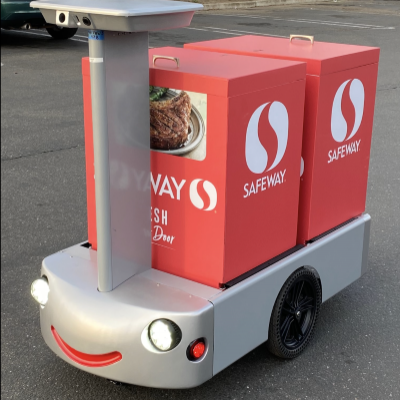
Safeway supermarket chain has partnered with Tortoise, an automated logistics company, to test a remote-controlled grocery delivery cart in Northern California. Albertsons said the Tortoise cart provides a contactless solution for the delivery of online grocery orders.

It will be guided through the neighborhood by a remote operator, using cameras to help it navigate any obstacles. Customers will receive a text message alerting them when the delivery cart arrives at their home.

Ahold Delhaize to Invest in its Ecommerce Business

Ahold Delhaize plans to expand investment in its ecommerce business throughout the coming year. The owner of Peapod, Stop & Shop and Food Lion plans to establish new distribution channels and increase technology so online shopping will become a larger part of the grocer’s overall revenue. In 2020, online sales in the U.S. for Ahold grew to over $2 billion, up more than 100% compared to 2019.

Ulta Beauty names new CEO

Ulta Beauty Inc. has named President David Kimbell as the successor to outgoing CEO Mary Dillon. Dillon has been CEO since 2013 and will become executive chair of the board for one year after she leaves her position. During her tenure, sales tripled to over $7 billion and the number of Ulta stores doubled. Ulta now has over 1,100 stores across all 50 states.

Events

Where do you go to learn about developing and marketing store brands? The answer for more than 1,900 graduates has been PLMA’s annual Executive Education Program.